Many parents wonder when a hearing assessment in children is needed. Early hearing loss detection is important for a child’s growth and learning. Sometimes, hearing problems are hard to notice. However, knowing when to test a child’s hearing can make a big difference. This blog will help you understand the signs, causes, and timing for pediatric hearing screening.
What Is a Hearing Assessment?
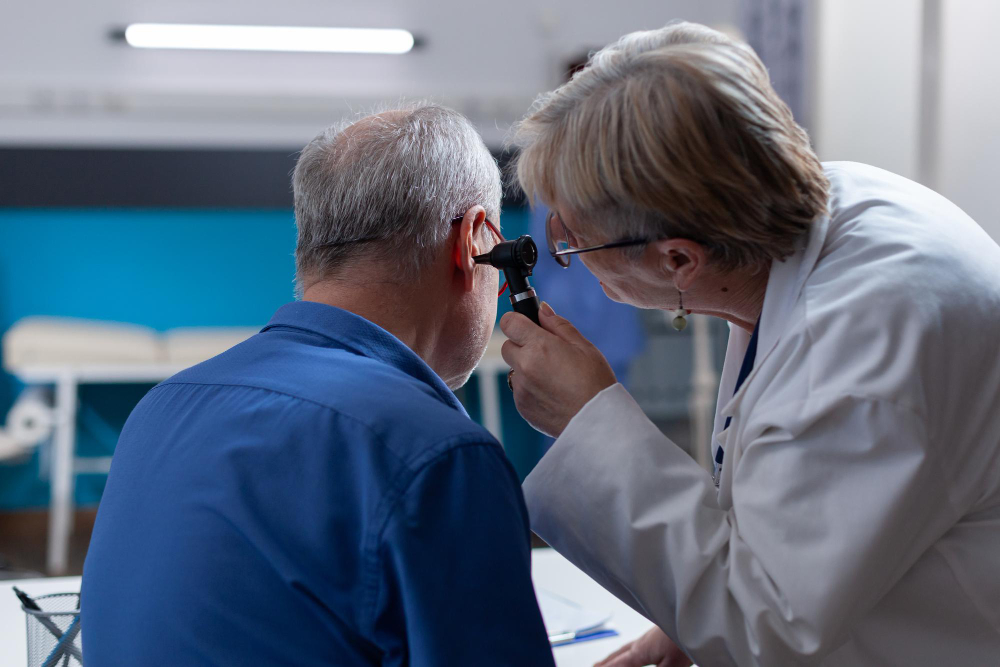
A hearing assessment checks how well a child hears sounds. For example, doctors use special tests to see if a child can hear soft and loud noises. These tests are safe and painless. In many cases, hearing assessments are part of regular check-ups. Pediatric hearing screening can find problems early, even before a child starts to talk.
Why Early Hearing Assessment Matters
Early hearing loss detection helps children learn to speak and understand language. If a child cannot hear well, they may have trouble learning words. As a result, they might fall behind in school. According to the World Health Organization, early care can improve a child’s future. Therefore, following hearing assessment guidelines for children is important.
Signs That a Child May Need a Hearing Assessment
Sometimes, hearing problems are not easy to spot. Still, some signs of hearing loss in children can help parents and teachers know when to test a child’s hearing. Watch for these signs:
For example, if your child shows any of these, a hearing assessment may be needed. Early action can help your child succeed.
Common Causes of Hearing Problems in Children
Many things can cause hearing loss in kids. Some causes are present at birth, while others develop later. Here are some common causes:
Additionally, some children may have hearing loss for unknown reasons. Knowing these causes can help parents and doctors act early.
When Should Hearing Assessment Be Performed?
Hearing assessment guidelines for children suggest testing at key times. For instance, most babies get a hearing test soon after birth. However, some children need more tests as they grow. You should consider a pediatric hearing screening if:
Regular checks are also advised before starting school. Early hearing loss detection gives the best chance for healthy development.
How Hearing Assessments Are Done
Doctors use different tests based on a child’s age. For babies, soft sounds and gentle devices check hearing. For older children, listening games or wearing headphones may be used. Some common tests include:
Each test is quick and safe. Afterward, the doctor will explain the results and next steps.
Prevention and Early Intervention Tips
While not all hearing loss can be prevented, some steps can help protect your child’s hearing. For example, you can:
Early help can make a big difference. If you notice changes, talk to your child’s doctor about when to test your child’s hearing.