What Is Mental Health in Children?
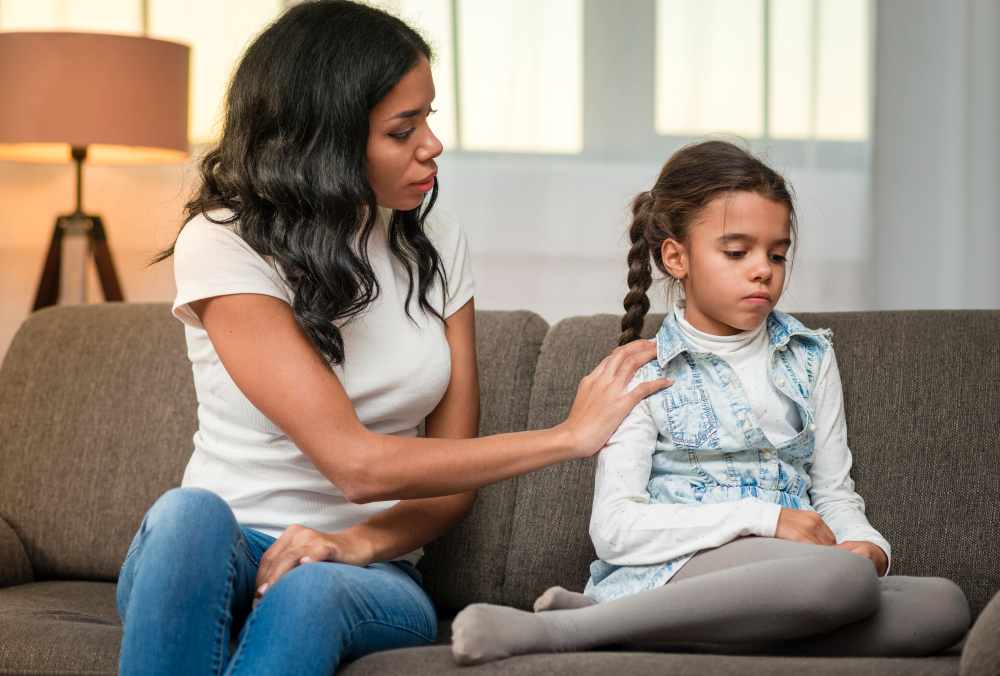
Mental health in children is about how kids think, feel, and act. It affects how they handle stress, relate to others, and make choices. Good mental health helps children learn, grow, and enjoy life. However, some kids may face challenges that affect their mood or behavior. Because of this, it is important for parents and caregivers to understand children’s mental health early on.
Common Symptoms and Warning Signs
Sometimes, it can be hard to spot mental health issues in kids. Still, there are signs to watch for. Early recognition can help children get the support they need. Look for these warning signs:
If you notice these signs, it may be time to seek help. Early action can make a big difference.
Causes and Risk Factors
Many things can affect a child’s mental health. For example, family history, stressful events, or even physical health problems can play a role. Here are some common causes and risk factors:
Although these factors can increase risk, not every child exposed to them will develop problems. Support and early help can lower the risk.
Diagnosis and When to Seek Help
Sometimes, parents wonder when to get help for their child. If symptoms last for weeks or affect daily life, it is wise to talk to a doctor. A pediatrician or mental health professional can assess your child. They may use interviews, checklists, or talk with teachers. Early diagnosis can lead to better outcomes. Do not wait if you feel something is wrong. Trust your instincts and seek guidance.
Treatment Options and Support Strategies
There are many ways to help children with mental health issues. Treatment depends on the child’s needs. Common options include:
Besides treatment, children need love and understanding. Encourage open talks and listen without judgment. Let your child know you are there for them.
Lifestyle Tips for Parents and Caregivers
Parents and caregivers play a big role in childhood mental health support. Here are some helpful tips:
Even small changes can make a big difference in your child’s well-being.
Prevention and Early Intervention
Prevention and early action are key to good mental health in children. For instance, teaching coping skills and building strong family bonds can help. Here are ways to support early intervention:
When families act early, children have a better chance to thrive. Remember, you are not alone. Many families face these challenges, and help is available.
Conclusion: Take Action for Your Child’s Mental Health
Mental health in children is just as important as physical health. By knowing the signs and acting early, you can help your child grow strong and happy. If you are concerned about your child’s mental health, consult a pediatric specialist for personalized guidance.