Introduction
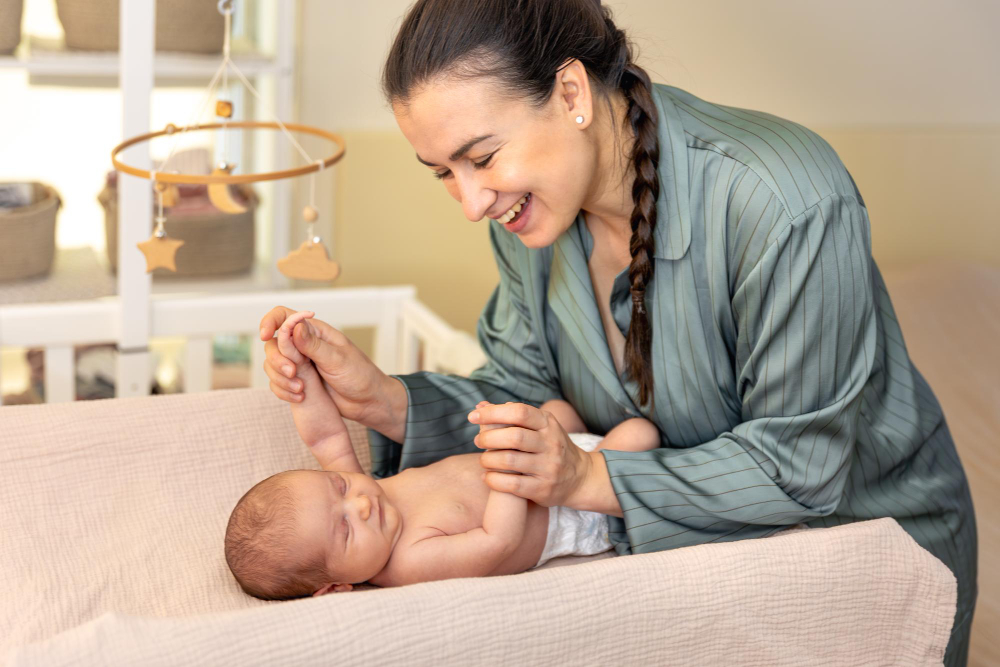
Essential newborn care is the set of steps parents take to keep their baby healthy and safe. Right after birth, babies need special attention. This care helps them grow strong and lowers the risk of illness. In this guide, you will learn about essential newborn care, why it matters, and how to follow the best baby care guidelines at home. Many new parents feel unsure, but with the right newborn care tips, you can feel confident caring for your child.
What is Essential Newborn Care?
Essential newborn care means giving your baby the right support from the very start. It includes simple actions that protect your baby’s health. For example, keeping your baby warm, feeding them well, and making sure they are clean are all part of this care. The World Health Organization (WHO) and the Centers for Disease Control and Prevention (CDC) recommend these steps for every newborn. With proper care, your baby has a better chance to thrive.
Why is Essential Newborn Care Important?
Every newborn is delicate. Because of this, they need extra care to stay healthy. Essential newborn care lowers the risk of infections and other health problems. It also helps babies grow and develop well. When parents follow newborn safety and care tips, babies are less likely to get sick. In addition, early care can prevent many common issues. Therefore, learning these steps is important for every parent.
Key Components of Essential Newborn Care
Common Myths and Facts about Newborn Care
Tips for Parents: Best Practices at Home
When to Seek Medical Help
Sometimes, babies need extra care. If you notice any of the following, contact your doctor right away:
Early action can prevent serious problems. Therefore, do not wait if you are worried about your baby’s health.
Prevention and Safety Measures
Prevention is key to keeping your newborn safe. Here are some important steps:
By following these baby care guidelines, you can help your child stay healthy and safe at home.
Conclusion
In summary, essential newborn care gives your baby the best start in life. Simple steps like keeping your baby warm, feeding well, and practicing newborn safety make a big difference. For more help, consult a pediatrician for personalized newborn care advice.