Introduction
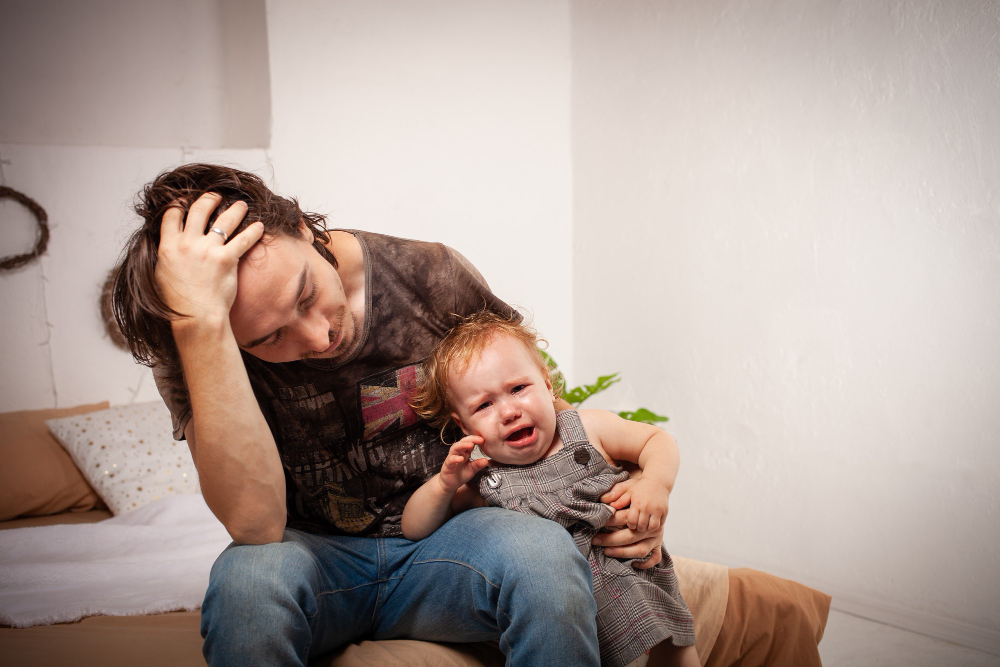
Excessive crying in children can worry any parent. While all babies and young children cry, sometimes the crying seems too much. This may leave you asking, “Why is my child crying excessively?” Understanding the reasons behind excessive crying in children is important. It helps parents know when to seek help and how to comfort their child. Although crying is normal, too much crying can signal a problem. Therefore, knowing the signs and causes can help you respond with confidence.
Common Symptoms of Excessive Crying
Every child cries, but excessive crying stands out. It may last longer or happen more often than usual. For example, a baby may cry for hours each day, even after being fed or changed. Sometimes, the crying sounds different—louder, sharper, or more urgent. In addition, children may show other signs, such as:
Usually, these signs help parents spot when crying is more than just fussiness. If you notice these symptoms, it may be time to look for causes or seek advice.
Causes of Excessive Crying in Children
There are many reasons why a child may cry excessively. Some are medical, while others are not. Understanding these causes can help you find the best way to soothe a crying baby.
Medical Causes
Non-Medical Causes
Because causes can vary, it is important to watch for other signs that may point to a medical problem.
Diagnosis: How Doctors Assess Excessive Crying
When you visit a doctor about excessive crying in children, they will ask about your child’s history. They may want to know when the crying started, how long it lasts, and what helps or makes it worse. Next, the doctor will do a physical exam. They will check for signs of illness, infection, or injury. Sometimes, they may order tests, such as urine or blood tests, if they suspect an infection. In many cases, no serious cause is found, and the crying improves with time. However, doctors use these steps to rule out any serious problems and to guide treatment.
Treatment and Management
Managing excessive crying in children depends on the cause. If a medical problem is found, the doctor will treat it. For example, antibiotics may be given for an infection. However, many cases do not need medicine. Instead, parents can try simple steps at home to soothe a crying baby.
Sometimes, a doctor may suggest changes in feeding or formula. In rare cases, medicine may be needed for reflux or allergies. Always follow your doctor’s advice for the best results.
Prevention and When to Seek Help
While you cannot prevent all crying, you can reduce some triggers. For example, keep a regular feeding and sleeping schedule. Also, avoid overstimulation by limiting loud noises and bright lights. However, some crying is normal, especially in newborns. Still, you should seek help if:
In these cases, contact your pediatrician right away. Early care can prevent serious problems.
Lifestyle Tips for Parents and Caregivers
Managing a crying child can be stressful. However, there are ways to make things easier for both you and your child. Try these tips:
With patience and support, most children outgrow excessive crying. Still, knowing when to worry about crying in infants is important for your child’s health and your peace of mind.
Consult a pediatrician for personalized guidance regarding excessive crying in children.