What Are Growing Pains?
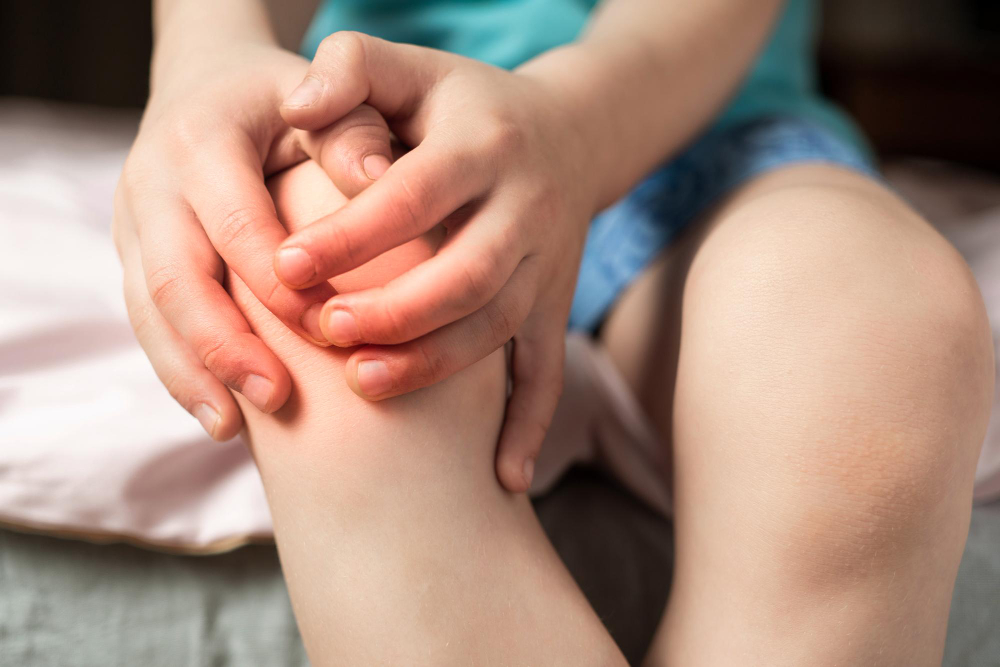
Many parents worry when their child complains of leg pain. Often, these aches are called growing pains in children. Growing pains are a common cause of discomfort in kids. Usually, they happen in the evening or at night. Although the name suggests growth causes the pain, doctors are not sure. According to the CDC, growing pains are not linked to growth spurts. Instead, they are harmless muscle aches that many children experience.
Common Symptoms of Growing Pains in Children
Because growing pains can be confusing, it helps to know the typical signs. For example, most children feel pain in both legs. The pain often appears in the front of the thighs, calves, or behind the knees. Here are some common symptoms:
However, the pain can come and go. Sometimes, it may last for months or even years.
Causes and Risk Factors
Doctors do not know the exact cause of growing pains in children. However, several factors may play a role. For instance, active children may feel more pain after a busy day. Some experts think muscle fatigue or overuse may trigger symptoms. Additionally, children with flexible joints or flat feet may be more likely to have growing pains. Family history can also increase the risk. Still, growing pains are not caused by bone growth alone.
How to Tell If Leg Pain Is Really Growing Pain
It can be hard to know if your child’s leg pain is due to growing pains or something else. But there are ways to help you decide. For example, growing pains do not cause limping or trouble walking. Also, they do not cause swelling, redness, or fever. If your child’s pain matches the common symptoms listed above, it is likely growing pain. Yet, if you notice other signs, you should look for other causes. Always watch for changes in how your child moves or behaves.
When to See a Doctor
Sometimes, leg pain in kids can signal a more serious problem. Therefore, you should call your doctor if your child has:
Because some conditions need quick care, do not wait if you see these signs. The CDC and pediatric experts recommend checking with your doctor if you are unsure.
Diagnosis: What to Expect
When you visit the doctor, they will ask about your child’s symptoms. Next, they will do a physical exam. Often, no tests are needed for growing pains in children. However, if your doctor suspects another cause, they may order blood tests or X-rays. This helps rule out infections, injuries, or other conditions. Most of the time, a careful history and exam are enough for diagnosis.
Treatment and Home Care Tips
Although growing pains can be upsetting, they are not dangerous. Most children feel better with simple home care. For example, you can:
Because growing pains are not linked to injury, rest is not usually needed. Children can keep up with normal play and activities.
Preventing and Managing Leg Pain in Children
While you cannot always prevent growing pains, you can help manage them. For instance, encourage your child to stretch before and after play. Make sure they wear supportive shoes. In addition, help your child take breaks during active play. If your child has flat feet, talk to your doctor about shoe inserts. Above all, keep track of your child’s symptoms. This helps you notice any changes that may need medical attention.