
Why Sun Safety Matters for Kids
Sun safety tips for kids are important for every family. Children have delicate skin, which makes them more likely to get sunburned. Even on cloudy days, harmful UV rays can reach your child. Because of this, it is vital to protect kids from the sun every day. According to the CDC, too much sun exposure in childhood increases the risk of skin cancer later in life. For this reason, teaching sun safety early helps keep your child healthy.
Common Risks of Sun Exposure in Children
Many parents worry about sunburn, but there are other risks too. For example, children can get heat exhaustion or dehydration from too much sun. Over time, repeated sunburns can cause skin damage and raise the risk of skin cancer. In addition, UV rays can harm the eyes, leading to vision problems. Therefore, knowing these risks helps you take action to protect your child.
Essential Sun Safety Tips for Kids
There are many ways to keep your child safe from the sun. Here are some easy tips:
With these steps, you can help prevent sunburn and other sun-related problems.
Choosing the Right Sunscreen for Children
Picking the best sunscreen for children is important. Look for broad-spectrum sunscreens, which protect against both UVA and UVB rays. In addition, choose a sunscreen with SPF 30 or higher. For sensitive skin, mineral sunscreens with zinc oxide or titanium dioxide are gentle and effective. Remember, water-resistant sunscreens are best for swimming or sweating. Always check the label for age recommendations and avoid sprays for young children, as they can be hard to apply evenly.
Protective Clothing and Accessories
Clothing is a simple way to add UV protection for kids. For example, long-sleeved shirts and pants made from tightly woven fabric block more sun. Some clothes have a UPF (Ultraviolet Protection Factor) label, which shows how well they protect against UV rays. Wide-brimmed hats shield the face, ears, and neck. Sunglasses with UV protection keep your child’s eyes safe. When possible, pick bright or dark colors, as they offer better protection than light colors.
Safe Outdoor Activities and Timing
Planning outdoor play can help avoid the strongest sun. For instance, try to schedule activities before 10 a.m. or after 4 p.m. During midday, the sun’s rays are most intense. If your child must be outside, encourage play in shaded areas, such as under trees or umbrellas. Parks and playgrounds often have shaded spots. Additionally, remind your child to take breaks indoors or in the shade to cool down and drink water.
Preventing Sunburn: What to Do if It Happens
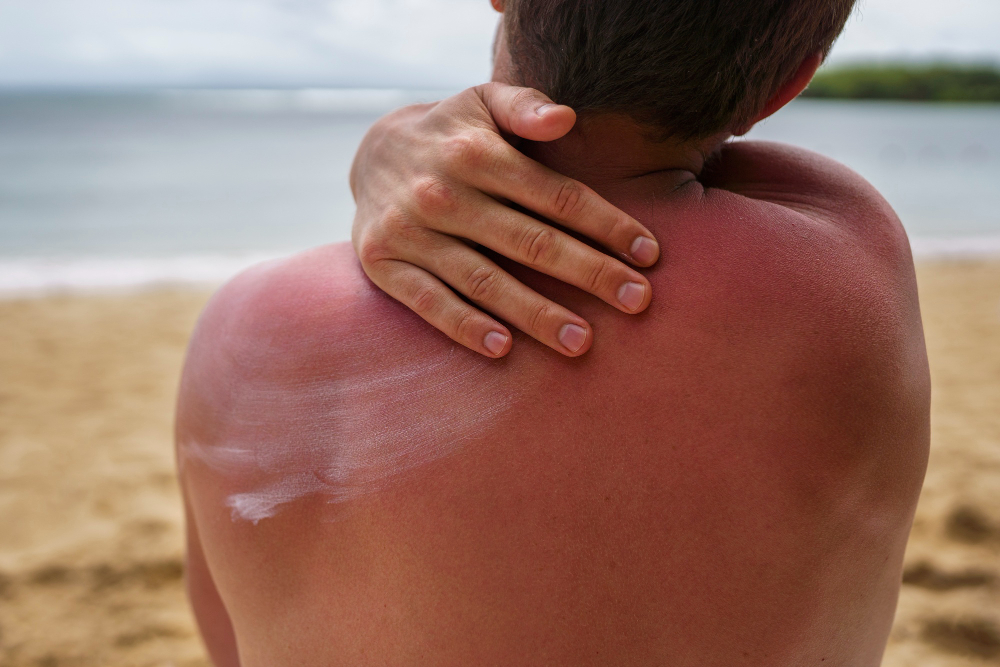
Even with care, sunburn can still happen. If your child gets sunburned, act quickly:
Most sunburns heal in a few days, but preventing them is always best.
Long-Term Benefits of Sun Protection
Protecting your child from the sun has lasting benefits. For example, it lowers the risk of skin cancer and keeps their skin healthy. Over time, sun safety habits help prevent early aging and eye problems. Because children learn by example, your actions teach them to care for their skin. As a result, your child will be more likely to practice sun safety as they grow.
Frequently Asked Questions (FAQs)
For more information, consult trusted sources like the CDC and WHO. Above all, remember that sun safety for families starts with simple daily habits.
Consult your pediatrician for personalized sun safety advice for your child.