What is Hand, Foot, and Mouth Disease (HFMD)?
Hand, Foot, and Mouth Disease (HFMD) is a common illness, especially in young children. It is caused by viruses from the enterovirus group. Usually, it leads to a mild infection. However, it can spread quickly in places like schools and daycare centers. Most cases happen in children under five years old, but older kids and adults can get it too. Although outbreaks can occur anywhere, they are more common in warm, humid areas.
Common Symptoms of HFMD
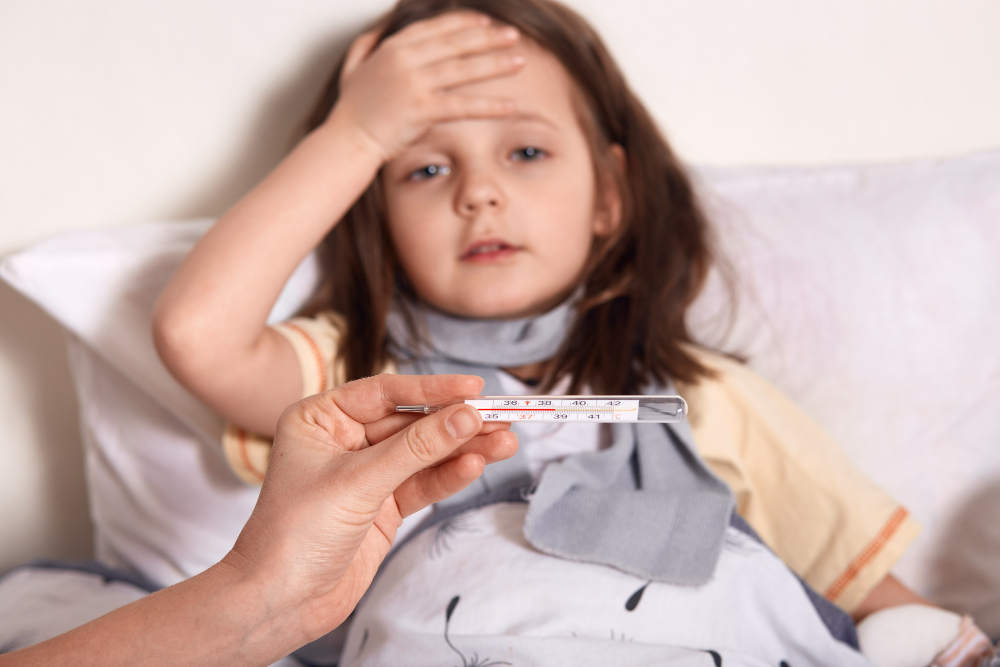
HFMD symptoms in children often appear three to six days after exposure. The first signs are usually mild. Yet, the illness can cause discomfort. Watch for these symptoms:
Sometimes, the rash does not itch. But it can be uncomfortable. In rare cases, children may get dehydrated if mouth sores make drinking painful.
Causes and How HFMD Spreads
HFMD is usually caused by the coxsackievirus A16. However, other enteroviruses can also cause it. The disease spreads easily from person to person. For example, it can spread through:
Because the virus spreads quickly, outbreaks often happen in group settings. Good hygiene can help lower the risk.
Diagnosis of HFMD
Doctors usually diagnose HFMD by looking at the symptoms and the rash. In most cases, no special tests are needed. However, if the illness is severe or unclear, a doctor may take a throat swab or stool sample. This helps confirm the cause. Early diagnosis helps prevent the spread to others.
Treatment and Home Care for HFMD
There is no specific cure for HFMD. Most children recover within seven to ten days. Still, you can help your child feel better at home. HFMD treatment options focus on easing symptoms. For example:
Although most cases are mild, watch for signs of dehydration. If your child is not urinating, seems very tired, or cannot drink, seek medical help.
Prevention Tips for HFMD
Preventing hand, foot, and mouth disease is important, especially during outbreaks. You can lower the risk by following these tips:
Because the virus can stay in the body for weeks, good hygiene is key even after symptoms go away.
When to See a Doctor
Most cases of HFMD are mild and get better on their own. However, you should see a doctor if:
Early medical care can help prevent complications.
In summary, Hand, Foot, and Mouth Disease (HFMD) is usually mild but can be uncomfortable. With good hygiene and care, most children recover quickly. If you suspect your child has HFMD, consult a pediatrician for personalized advice.