Introduction
RSV in children, or respiratory syncytial virus, is a common virus that affects the lungs and breathing passages. Every year, many children in the United States get RSV. Although most cases are mild, some children can become very sick. Because RSV spreads easily, it is important for parents and caregivers to know the signs, causes, and ways to prevent it. Understanding RSV in children helps keep families safe and healthy.
Symptoms of RSV in Children
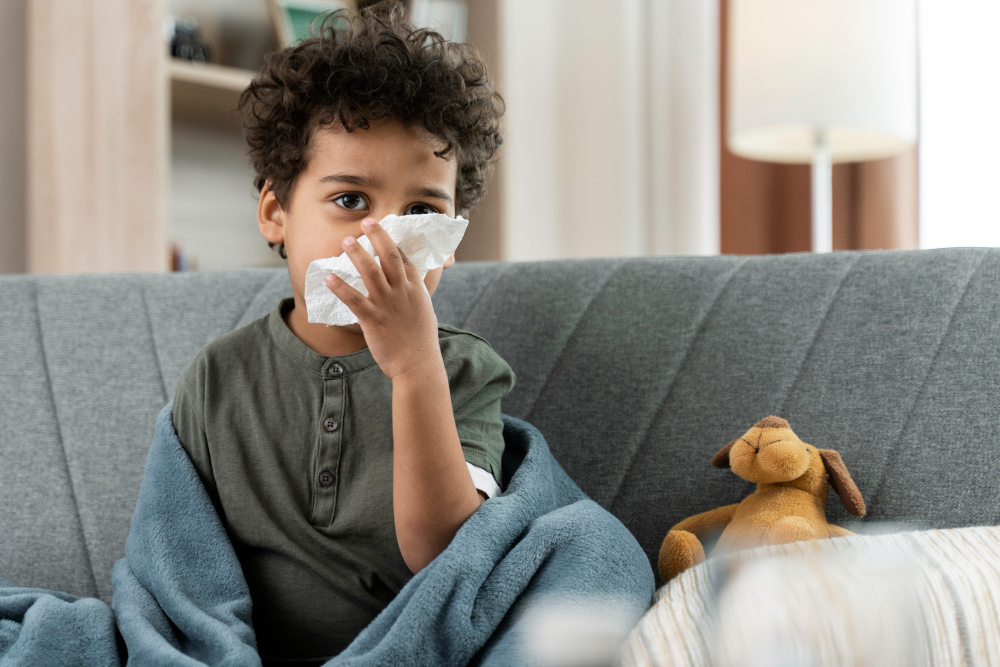
RSV symptoms in children often look like a cold at first. However, symptoms can become more serious, especially in babies and young children. For example, some children may have trouble breathing. Watch for these common signs:
Sometimes, RSV can lead to bronchiolitis or pneumonia. Therefore, it is important to watch your child closely if they show these symptoms.
Causes and Risk Factors
RSV in children spreads through droplets when someone coughs or sneezes. The virus can also live on surfaces like toys or doorknobs. Because of this, children can catch RSV easily, especially in crowded places. Some children are at higher risk, such as:
Additionally, RSV is more common during fall and winter months in the United States.
How RSV is Diagnosed
Doctors diagnose RSV in children by asking about symptoms and doing a physical exam. Sometimes, they may use a swab from the nose to test for the virus. In some cases, doctors may order a chest X-ray or blood tests if the child is very sick. Quick diagnosis helps start the right treatment and prevents the virus from spreading.
Treatment Options for RSV in Children
Most children with RSV get better at home. However, some may need medical care. Treatment focuses on easing symptoms and keeping your child comfortable. For example, you can:
In severe cases, children may need oxygen or hospital care. Because antibiotics do not work against viruses, they are not used for RSV. Always follow your doctor’s advice for RSV treatment in pediatrics.
Prevention Tips and Lifestyle Guidance
While RSV in children is common, you can take steps to lower the risk. For instance, try these prevention tips for kids:
Sometimes, doctors may suggest special medicine for high-risk babies to help prevent RSV.
When to Seek Medical Help
Although most cases are mild, some children need a doctor’s care. Seek help right away if your child:
Early treatment can prevent serious problems. Therefore, do not wait if you are worried about your child’s health.
Conclusion
RSV in children can be scary, but most kids recover with care at home. However, knowing the symptoms, causes, and prevention tips helps protect your family. If you think your child has RSV or is getting worse, consult a pediatrician for personalized advice. Your doctor can guide you on the best steps for your child’s health.